

A widening part, more hair on the pillow, or a hairline that no longer frames the face as it once did can feel surprisingly personal. For people who want a regenerative, non-surgical approach to early or progressive thinning, PRF hair restoration treatment is increasingly part of the conversation. It uses a concentration of your own blood components to support scalp health and encourage the environment in which hair follicles function.
The appeal is understandable: the treatment is clinically guided, uses your own biologic material, and can be incorporated into a tailored scalp-care plan without surgery. Still, PRF is not a one-size-fits-all answer to hair loss. The cause, pattern, duration, and degree of thinning all matter. A thoughtful consultation is where expectations become clearer and a plan can be designed around your hair goals.
What Is PRF Hair Restoration Treatment?
PRF stands for platelet-rich fibrin. It is created from a small sample of your blood, collected and processed in a centrifuge. This separates and concentrates components associated with the body’s natural repair processes, including platelets, fibrin, and growth factors.
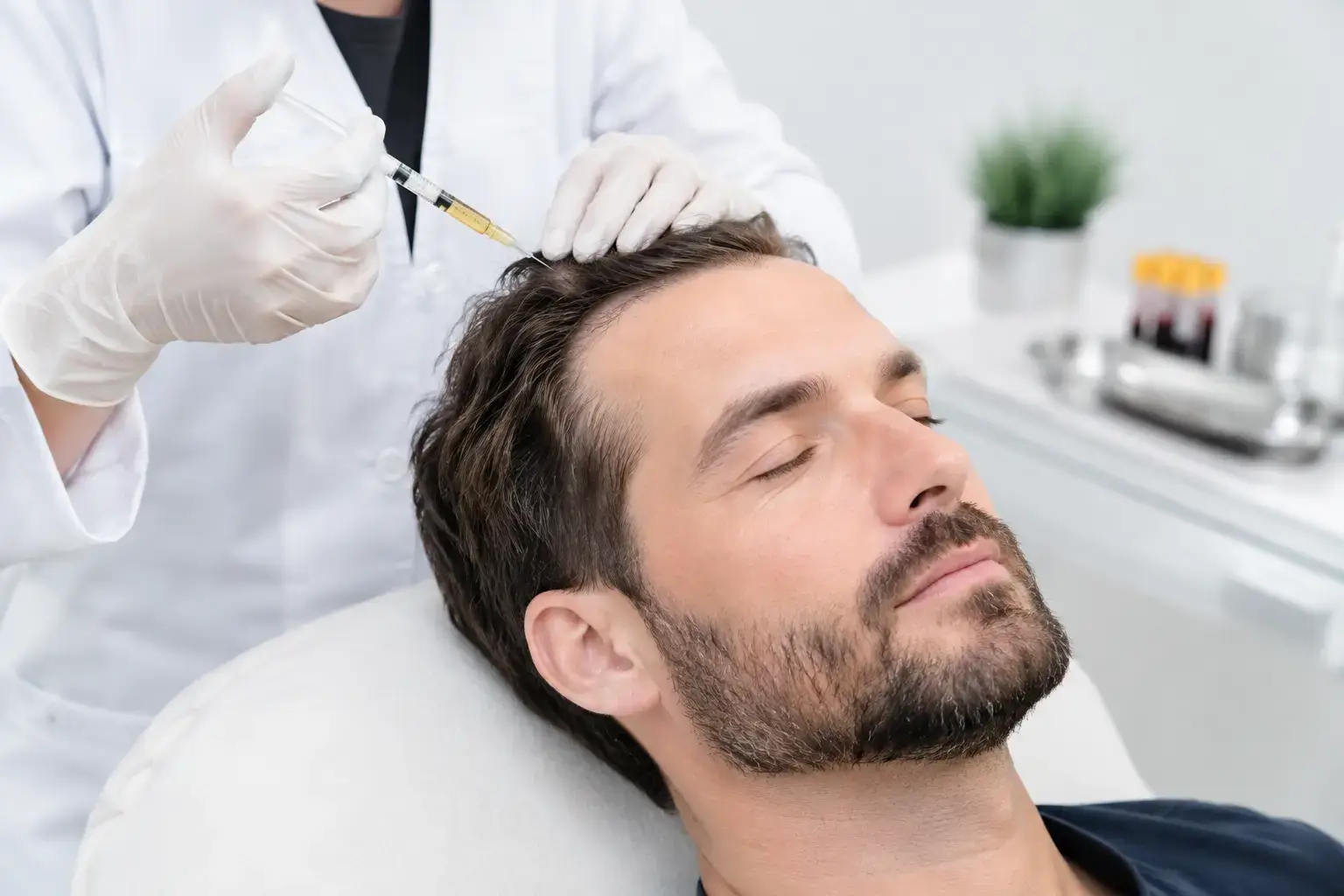
The resulting PRF is then placed into targeted areas of the scalp through a series of precise injections. In hair restoration, the intention is to support follicular activity and scalp quality, particularly where follicles are still present but producing finer, weaker, or slower-growing hair.
PRF is related to PRP, or platelet-rich plasma, but the formulations are not identical. PRF has a fibrin matrix and is typically prepared without added anticoagulants. That matrix may allow growth factors to be released more gradually. The practical question is not which acronym sounds more advanced. It is which approach, if any, fits your scalp assessment, medical history, and treatment objectives.
Why Hair Thinning Needs a Personalized Assessment
Hair shedding and hair thinning are often discussed as though they are the same concern. They are not. Temporary shedding can follow illness, major stress, hormonal shifts, nutritional changes, or certain medications. Pattern hair loss, meanwhile, may be influenced by genetics and hormonal sensitivity. Inflammatory scalp conditions, traction from tight styling, thyroid concerns, and autoimmune conditions can also play a role.
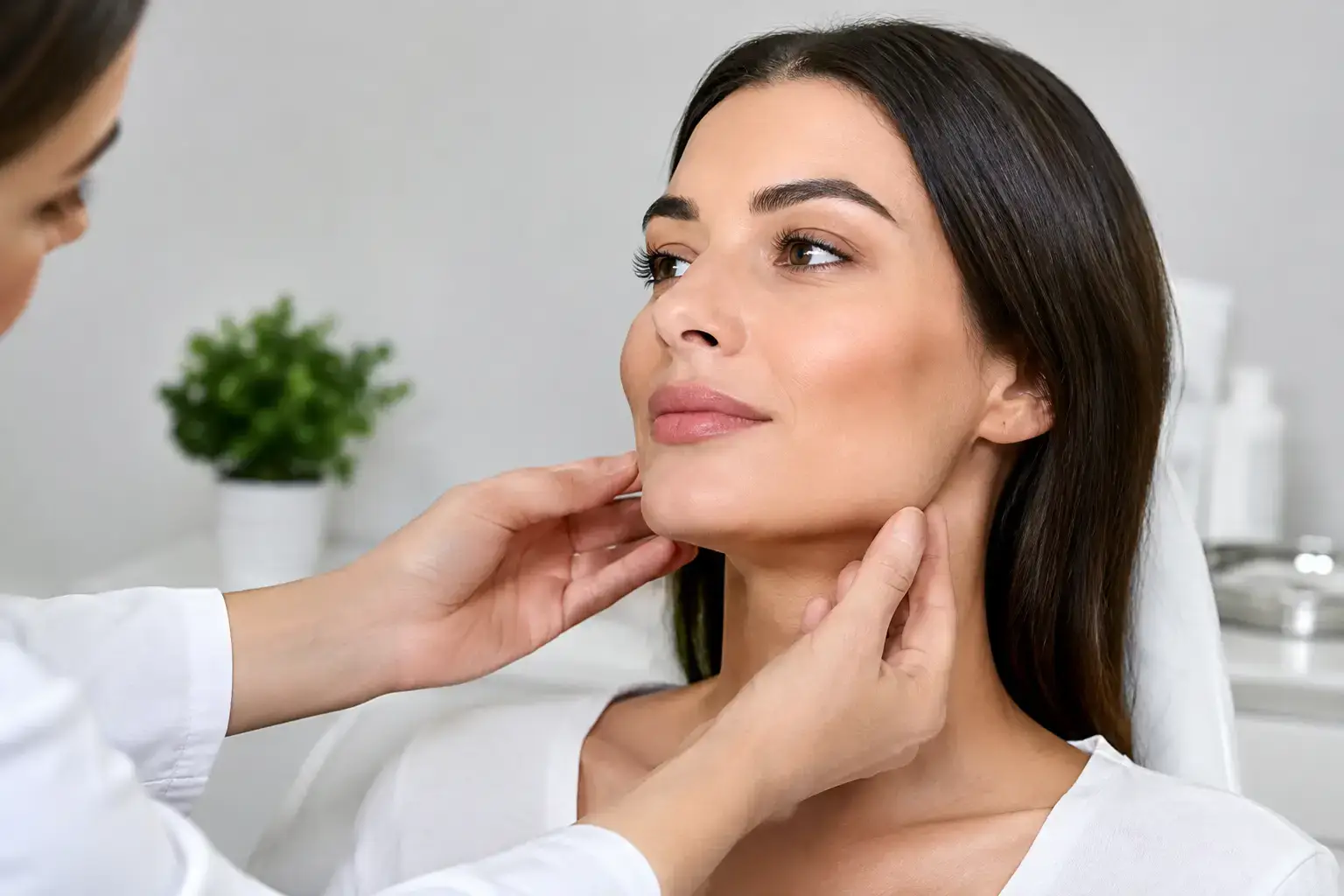
That is why a high-quality consultation should look beyond the amount of hair in the brush. A clinician may assess the distribution of thinning, scalp condition, hair caliber, family history, lifestyle factors, and relevant health information. In some cases, further medical evaluation or laboratory testing may be appropriate before beginning regenerative treatment.
PRF may be considered when thinning is mild to moderate and follicles remain active. It may be less suitable as a standalone approach in areas where follicles have been inactive for a long time or where there is extensive scarring. For those situations, a broader medical or surgical hair-restoration discussion may be more appropriate.
What a PRF Hair Restoration Appointment Involves
The experience is designed to be efficient, but it should never feel rushed. Your appointment generally begins with a review of your treatment plan and scalp priorities. Clinical photographs may be taken to help document changes over time under consistent conditions.
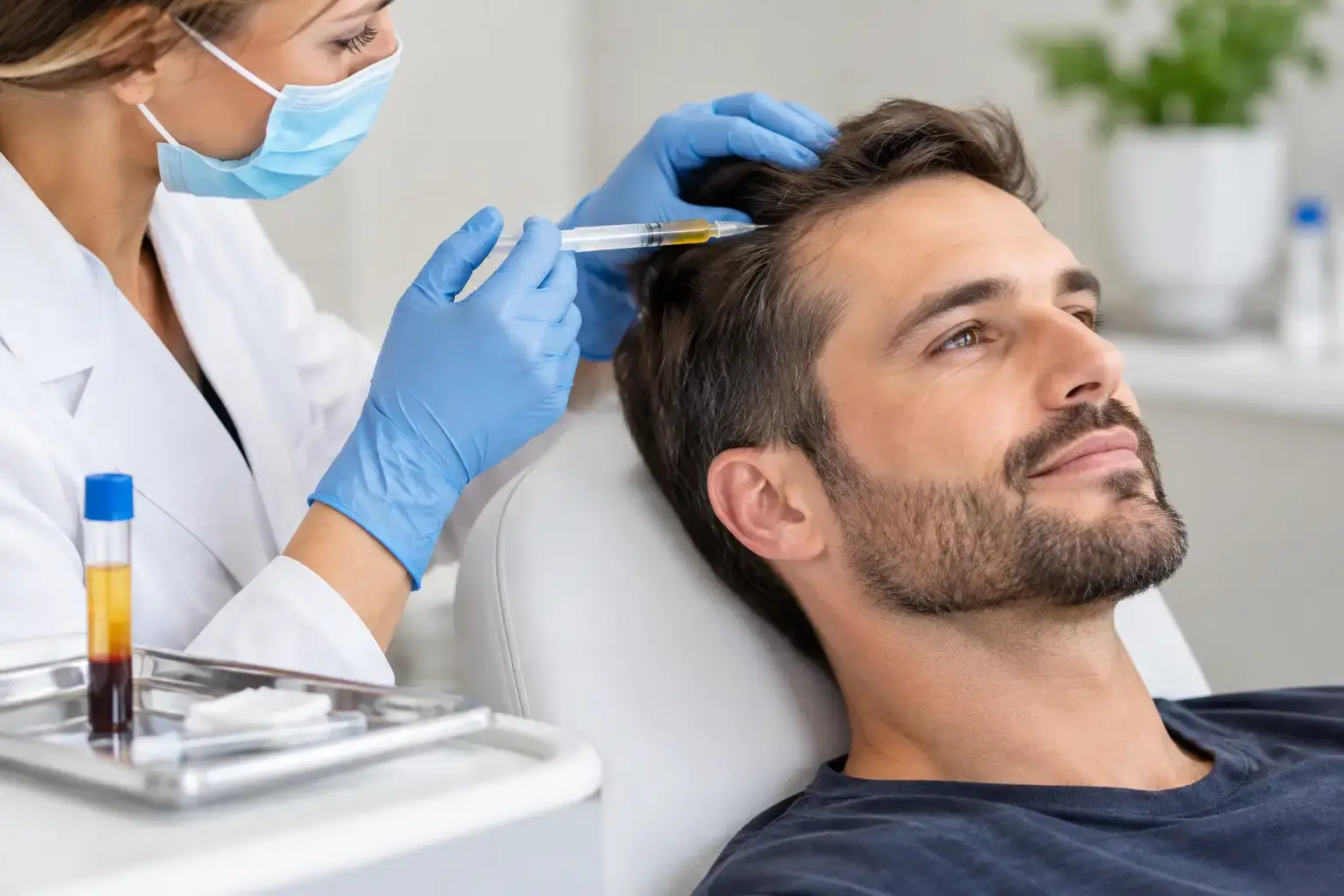
A small blood draw is performed, much like a routine laboratory sample. The blood is processed while you are in the clinic, then the PRF is prepared for application. Your provider cleanses the treatment area and may use a topical numbing option or other comfort measures based on the plan.
The PRF is injected across the areas of concern using a strategic pattern. Most patients describe pressure, brief pinching, or a tight sensation rather than prolonged discomfort. The appointment itself is typically manageable within a busy schedule, though it is wise to allow time afterward rather than planning a high-visibility event immediately after.
Mild tenderness, redness, pinpoint swelling, or a headache can occur after scalp injections. These effects are generally temporary, but individual responses vary. Your provider will give aftercare guidance tailored to your treatment, including when to wash your hair, resume vigorous exercise, or use specific scalp products.
When Might You See Changes?
Hair grows slowly, and meaningful evaluation requires patience. A single treatment rarely tells the full story. PRF is often scheduled as a series of sessions, spaced according to the clinician’s protocol and the individual’s response, followed by maintenance when appropriate.
Some patients first notice changes in shedding or the feel of their hair. Improvements in density, thickness, and overall coverage, when they occur, tend to be assessed over several months rather than days or weeks. Photography and consistent follow-up are valuable because day-to-day mirror checks can be misleading, especially when hair length, lighting, styling, and seasonal shedding change.
Results vary. Age, genetics, the underlying diagnosis, hormonal influences, nutrition, stress, medication use, and the stage of hair loss all shape the outcome. PRF should be viewed as a considered part of long-term scalp care, not as a promise of a particular density or hairline.
PRF, PRP, and Combination Hair Plans
Both PRF and PRP use components derived from your own blood, and both may be incorporated into non-surgical hair-restoration care. The choice between them may depend on the clinic’s protocols, your scalp presentation, and your provider’s assessment. There is no universal formula that applies to every person with thinning hair.
For some patients, a more comprehensive plan may include prescription treatment under appropriate medical supervision, professional scalp care, nutritional review, or lifestyle adjustments that address identified contributors to shedding. In selected cases, microneedling or other scalp-focused modalities may be discussed. The right combination should be purposeful rather than a collection of treatments added without a clear rationale.
This is particularly relevant for clients who value a natural-looking outcome. Supporting existing follicles early may help preserve the appearance of density, while advanced loss may require a different strategy. A clinically informed plan recognizes both the possibilities and the limits of regenerative therapy.
Who Should Pause Before Treatment?
Because PRF is derived from your blood, it is often appealing to people seeking an autologous treatment option. Even so, it is not automatically appropriate for everyone. Active scalp infection, certain blood or platelet disorders, uncontrolled medical conditions, pregnancy or breastfeeding considerations, and the use of some medications may affect candidacy.
Be open about your complete medical history, supplements, and medications during your consultation. This protects your safety and helps your provider decide whether to proceed, defer treatment, or coordinate care with another physician. It also prevents a cosmetic concern from overshadowing a health issue that deserves attention.
If you are experiencing sudden shedding, scalp pain, patchy hair loss, itching, scaling, or visible inflammation, seek assessment rather than assuming the concern is purely aesthetic. Prompt evaluation can be especially valuable when the cause may be medical or inflammatory.
Preparing for a More Meaningful Consultation
Come prepared to describe when you first noticed changes, whether shedding is ongoing, and any major health or lifestyle changes that occurred around that time. Bring a list of medications and supplements, and mention previous hair treatments, chemical services, extensions, or tight hairstyles if they are relevant.
It can also help to define what success means to you. Is your priority less shedding, fuller coverage at the crown, a more balanced part, or support for thinning around the temples? Specific goals allow your clinician to explain whether PRF aligns with what you hope to achieve and how progress could be evaluated.
At Salus Clinic, regenerative hair care is approached as a personalized treatment journey rather than a standard appointment. The focus is on understanding the scalp, preserving a natural appearance, and selecting treatments that make clinical and aesthetic sense for the individual.
Hair changes rarely have a single explanation, and the most reassuring next step is not guesswork. A thorough scalp consultation can help you understand what is happening now, what may be worth treating, and how to care for your hair with informed expectations over time.