

A widening part, more scalp visible beneath overhead lighting, or a ponytail that feels less substantial can change how you move through the day. PRP treatment for hair thinning is a medically guided regenerative option designed to support the scalp and existing follicles using components from your own blood. It is not a replacement for a proper diagnosis, but for the right patient, it can become a considered part of a hair-restoration plan.
Hair thinning rarely has one simple cause. Genetics, hormonal changes, stress, nutritional factors, illness, medications, and certain scalp conditions can all affect the hair growth cycle. That is why an elevated approach begins with consultation rather than a one-size-fits-all protocol.
What Is PRP Treatment for Hair Thinning?
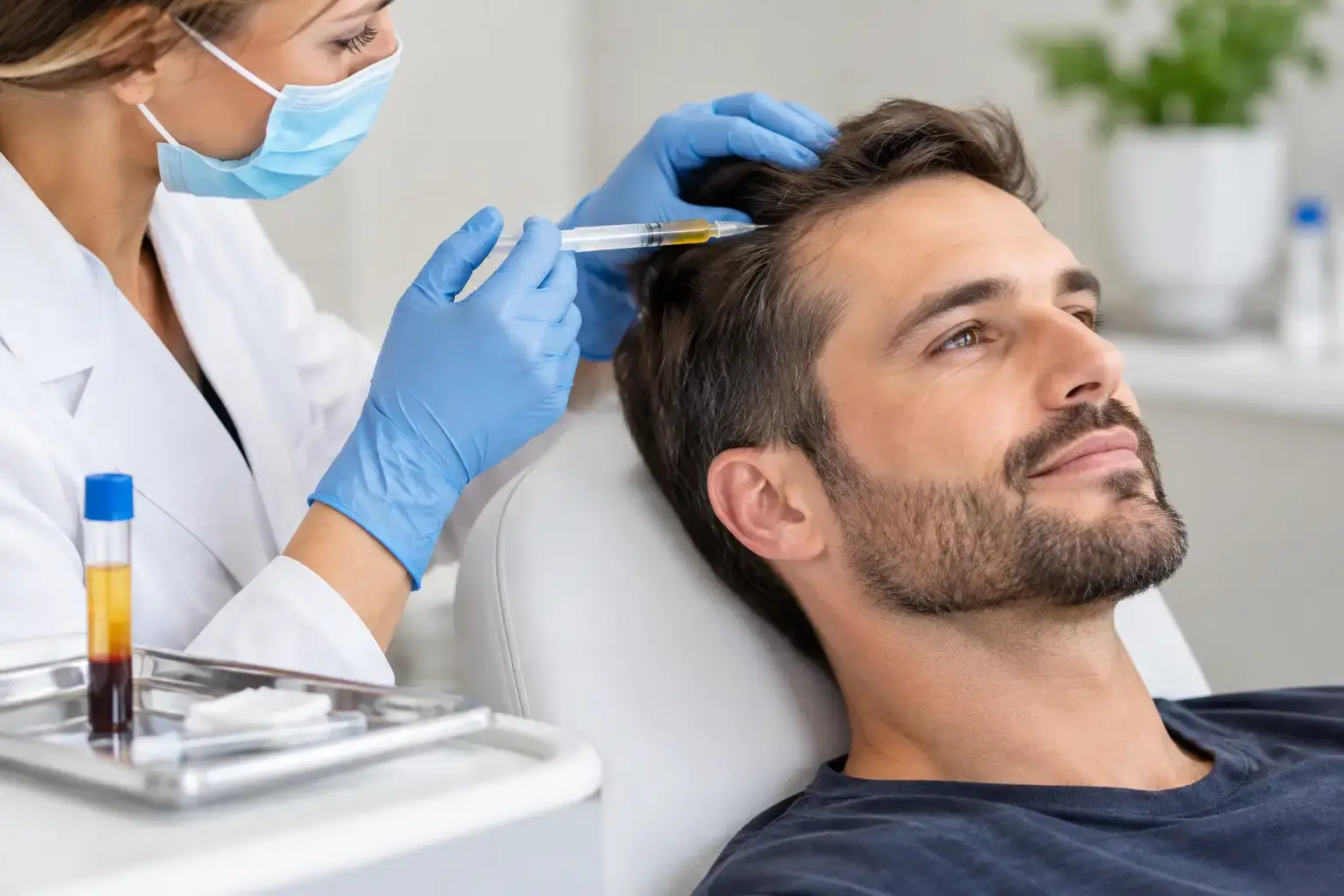
PRP stands for platelet-rich plasma. Platelets are naturally present in the blood and contain signaling proteins known as growth factors. During treatment, a small blood sample is drawn and processed in a centrifuge to separate and concentrate the platelet-rich portion of the plasma. This PRP is then carefully injected into targeted areas of the scalp.
The intention is to create a supportive environment around hair follicles that are still active but may be producing finer, shorter, or slower-growing hairs. PRP does not create new follicles where follicles are no longer present. Its role is to support existing follicles and scalp health, which is why timing and patient selection matter.
For many patients, the appeal is the treatment’s regenerative basis and its use of the patient’s own blood components. Yet it should still be approached as a medical procedure. A qualified practitioner should review your health history, pattern of hair loss, medications, and scalp condition before recommending it.
Who May Be a Candidate for PRP Hair Treatment?
PRP may be considered for women and men experiencing early to moderate thinning, particularly when follicles remain visible and the scalp is otherwise healthy. It is often discussed for androgenetic hair loss, commonly known as pattern hair loss, as well as some cases of diffuse shedding after a medical or lifestyle trigger has been evaluated.
Candidates tend to benefit from realistic expectations. Hair restoration is gradual, and the aim is often to improve density, caliber, shedding, and overall hair quality over time rather than deliver a dramatic change after a single appointment. Results vary according to the cause and extent of thinning, age, hormonal factors, genetics, and adherence to the recommended plan.
A consultation may suggest a different course of action, or a combination approach, if there is active scalp inflammation, scarring hair loss, severe nutrient deficiency, or a medical condition contributing to shedding. In some situations, laboratory testing or referral to a physician may be appropriate before proceeding with aesthetic treatment.
When PRP may not be the first step
Sudden shedding, patchy hair loss, scalp discomfort, scaling, or redness deserves clinical attention before any regenerative procedure. These symptoms can signal concerns that require diagnosis and targeted treatment. Similarly, people with certain blood disorders, active infections, platelet dysfunction, or those using particular medications may not be suitable candidates. Your practitioner can advise based on your individual history.
What Happens During a PRP Scalp Appointment?
A PRP session is typically straightforward, though it is never treated casually. Your practitioner begins by confirming the treatment areas and reviewing any changes in your health or medications. A small blood draw is taken, then prepared while the scalp is cleansed.
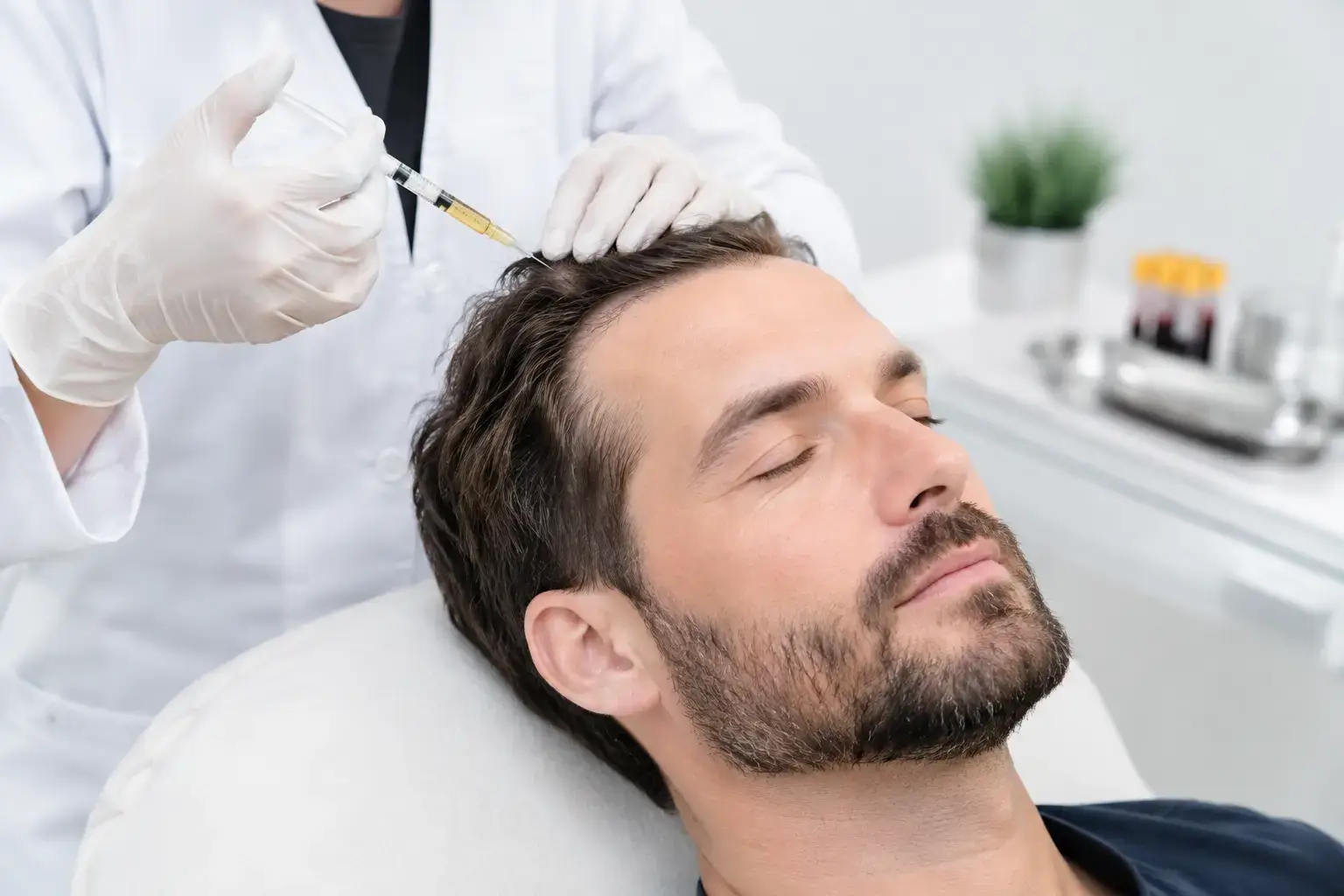
The concentrated plasma is injected across the areas of thinning using fine needles and a planned placement technique. Topical numbing may be used to improve comfort. Sensations vary, but patients commonly describe brief pressure, pinching, or sensitivity during the injections.
Afterward, mild tenderness, temporary redness, or small areas of swelling can occur. These effects generally settle relatively quickly, but your provider will give specific aftercare based on the technique used and your scalp’s response. You may be asked to avoid washing your hair, intense exercise, heat exposure, or certain hair and scalp products for a designated period.
For busy professionals, the practical advantage is that appointments are usually compatible with a full schedule. However, it is sensible to avoid planning a treatment immediately before a major social event if visible scalp redness would feel inconvenient.
How Many Sessions Are Usually Recommended?
PRP is commonly delivered as a series rather than a single treatment. A practitioner may recommend several sessions spaced weeks apart, followed by maintenance sessions based on progress and ongoing hair goals. The precise timing should reflect your degree of thinning, the clinical assessment, and whether PRP is being paired with other therapies.
Hair grows in cycles, so visible changes require patience. Some patients first notice a reduction in shedding or an improvement in how the hair feels and styles. Changes in density, if they occur, tend to take longer to evaluate. Photography taken in consistent lighting and part placement can be useful, because day-to-day mirror checks rarely show the full picture.
A responsible plan includes review appointments. Rather than promising a predetermined result, your provider should assess the scalp, compare progress, and adjust recommendations where appropriate.
PRP Works Best Within a Personalized Hair Strategy
Hair thinning is often managed more effectively when PRP is considered within a wider strategy. Depending on the diagnosis, that may include clinically appropriate topical or oral treatments prescribed by a physician, nutritional support where a confirmed deficiency exists, scalp care, or other regenerative therapies. Some patients may also benefit from microneedling or treatment plans that address inflammation and scalp-barrier health.
The value of personalization is not simply about adding more treatments. It is about identifying what is relevant and avoiding procedures that do not suit the cause of your hair loss. A patient with gradual hereditary thinning may need a different plan from someone experiencing shedding after stress, recent illness, weight change, or hormonal transition.
At Salus Clinic, this consultation-led perspective allows PRP and PRF hair restoration to be considered in the context of scalp health, lifestyle, treatment preferences, and natural-looking goals. It also creates space to discuss maintenance, since preserving progress often requires continued care.
Questions to Ask Before Starting PRP
The consultation should leave you clear on the diagnosis being considered, the recommended number of sessions, expected treatment intervals, comfort options, aftercare, likely costs, and how progress will be assessed. Ask what outcome is realistic for your current level of thinning and whether any medical evaluation should happen first.
It is also worth discussing your everyday routine. Frequent chemical processing, tight hairstyles, extensions, heat styling, sleep quality, diet, and stress management may not be the sole cause of hair thinning, but they can influence scalp comfort and hair breakage. A polished plan respects the role that daily habits play alongside in-clinic care.
Choosing Care With Confidence
PRP treatment for hair thinning is not about chasing a quick cosmetic fix. It is a measured option for people who want to support their natural hair through medically informed, regenerative care. The strongest starting point is a detailed assessment that distinguishes true follicular thinning from breakage, shedding, or an underlying scalp concern.
If your hair has started to feel less like you, give the concern the attention it deserves. A thoughtful consultation can turn uncertainty into a clear, realistic path toward healthier-looking hair and greater confidence in your reflection.