


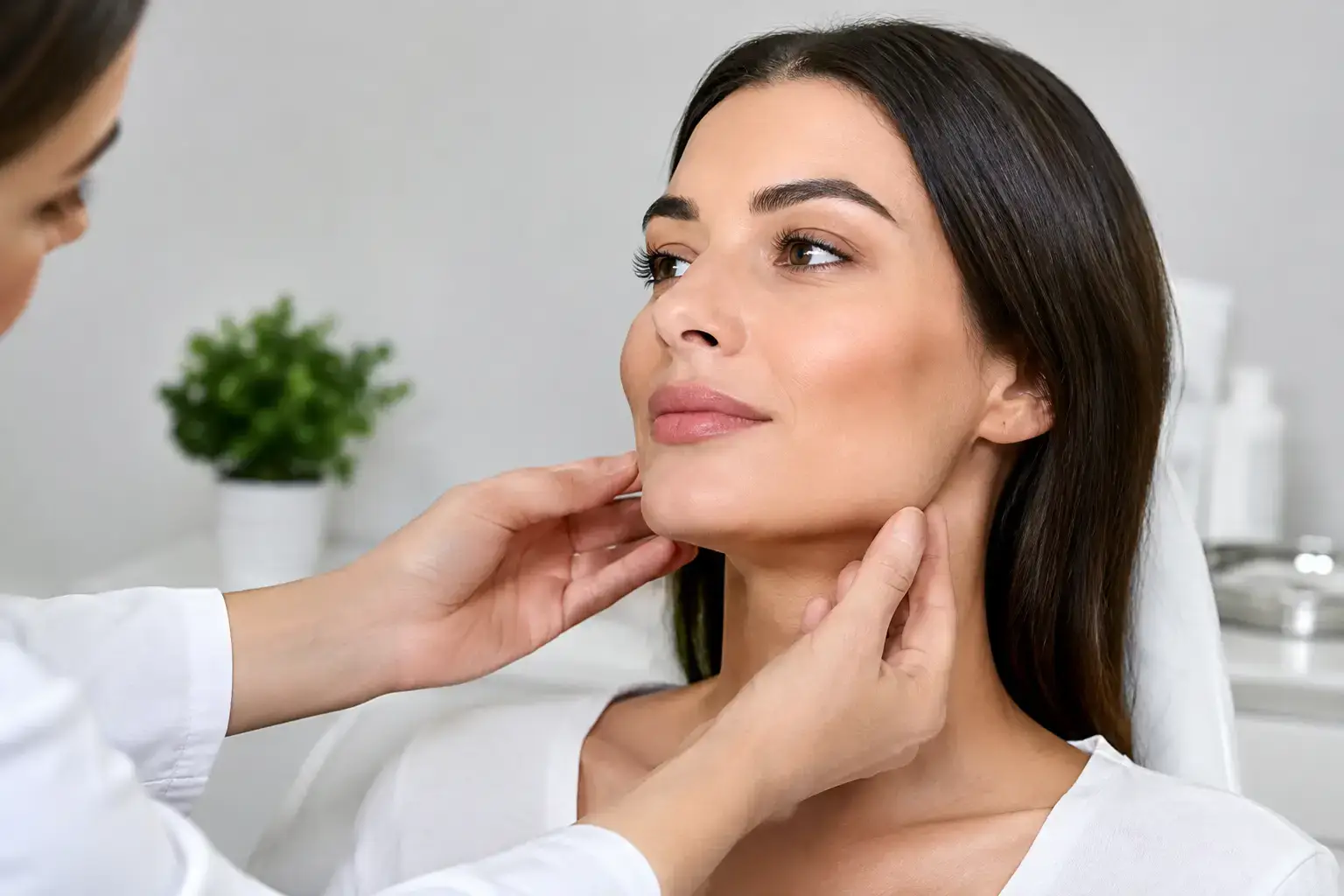
A defined jawline can make the entire face appear more balanced, rested, and intentional. Yet a softer lower face is not always caused by one concern. It may reflect chin projection, volume loss along the jaw, enlarged masseter muscles, skin laxity, or fullness beneath the chin. Non surgical jawline contouring addresses these distinctions with a tailored approach rather than a single treatment or a standardized facial shape.
For patients who want visible refinement without surgery or a lengthy recovery period, the appeal is clear. The more meaningful question is not which treatment is most popular, but which combination suits your facial anatomy, skin quality, and long-term aesthetic goals.
What Non Surgical Jawline Contouring Can Address
The jawline is not a straight line that can simply be sharpened. It is a transition between the chin, lower cheeks, neck, and skin. A carefully planned treatment can support this area by improving structural definition, reducing the appearance of heaviness, or firming skin that has begun to lose elasticity.
Dermal fillers are often used to add considered support at the chin and along the mandibular angle. For some patients, subtle chin projection creates a more harmonious profile and makes the jawline appear cleaner without requiring significant volume at the sides of the face. Others benefit from small, strategic amounts of filler near the posterior jaw to restore definition that has softened over time.
When the lower face appears broad because of prominent masseter muscles, neuromodulator injections may be considered. These treatments can reduce excessive muscle activity gradually, which may create a more tapered lower-face appearance in suitable candidates. This approach is not designed for everyone. A naturally narrow or lean face, for example, may need structural support rather than muscle reduction.
Skin laxity is another important part of the assessment. Treatments that stimulate collagen remodeling, including radiofrequency microneedling with Morpheus8, may be incorporated when the concern is crepiness, mild laxity, or a less defined transition between the jaw and neck. The goal is not to create an artificially tight appearance. It is to improve the quality and support of the skin so it sits more smoothly over the underlying contours.
Why a Jawline Assessment Should Look Beyond the Jaw
A refined jawline is often the result of proportion, not volume alone. Treating the jaw without considering the chin, cheeks, neck, and bite can lead to an outcome that looks heavy, overly angular, or disconnected from the rest of the face.
During a medical consultation, a practitioner should evaluate facial balance from the front, three-quarter view, and profile. Chin retrusion, for instance, can make a well-shaped jawline appear weak. Midface volume loss can create shadowing that draws attention downward. Submental fullness may soften the jaw-neck angle even when the jaw itself has good structure.
Age also changes the treatment strategy. In younger patients, contouring may focus on proportion and muscle balance. In mature skin, the priority may be a more regenerative plan that combines structural support with skin tightening. Injecting more filler is not always the answer to laxity. When tissue descent is the primary issue, a thoughtful skin-quality treatment plan may deliver a more natural-looking improvement.
This is where personalization matters. Facial contouring should complement your features, not replace them with a trend-driven template.
The Main Treatment Pathways
A consultation-led plan may use one approach or layer treatments over time. The right option depends on what is creating the lack of definition.
Structural contouring with dermal filler
Hyaluronic acid fillers can provide support to the chin and jawline when volume, projection, or skeletal definition is needed. Placement, product selection, and dosage all influence the result. A refined outcome often comes from measured treatment rather than creating a dramatically enlarged jaw.
Results from filler are visible soon after treatment, although minor swelling can temporarily affect the appearance. Longevity varies according to the product used, the treatment area, individual metabolism, and facial movement. Maintenance may be appropriate as the product gradually integrates and diminishes over time.
Muscle slimming with neuromodulators
If jaw clenching or muscle hypertrophy contributes to a squared lower face, neuromodulators can soften the masseter muscles. The contouring change develops gradually over several weeks as muscle activity decreases. Some patients also appreciate a reduction in tension related to clenching, although this should be assessed individually.
This treatment is not a substitute for filler. In fact, reducing the masseters without considering chin projection or skin quality can sometimes reveal other balance concerns. Planning should account for the face as a whole.
Skin tightening and collagen remodeling
For patients with mild to moderate laxity, radiofrequency microneedling can support skin firmness around the lower face and jaw. Morpheus8 combines microneedling with radiofrequency energy to target deeper layers of the skin, encouraging collagen remodeling over time.
This option is especially relevant when the jawline looks blurred because the skin has lost definition, rather than because the bone structure requires more projection. A series may be recommended depending on the degree of laxity and the desired treatment plan. The changes are progressive, which can suit patients seeking a discreet, natural evolution rather than a sudden shift.
Addressing fullness beneath the chin
Submental fullness can obscure an otherwise balanced jawline. The cause may be localized fat, skin laxity, genetics, or a combination of these factors. Injectable fat-reduction treatments may be suitable for selected patients, while energy-based tightening may be more relevant when skin elasticity is the larger concern.
A clinical examination is essential here. Not every fullness beneath the chin is a fat concern, and treating the wrong issue can compromise facial harmony.
What a Thoughtful Treatment Journey Looks Like
Non surgical jawline contouring is often best approached as a sequence rather than a one-visit transformation. Your clinician may begin with the structural element that will have the greatest visual impact, then reassess after swelling has resolved and the tissue has settled. Skin tightening or muscle treatment may follow if it supports the overall plan.
This phased approach offers two advantages. First, it allows for restraint, which is central to a polished, natural-looking result. Second, it gives your clinician an opportunity to see how your face responds before adding another modality.
At Salus Clinic, treatment planning is centered on facial assessment, skin health, and the level of refinement each patient wants to achieve. For a Business Bay professional preparing for an important season of events or a patient beginning a longer rejuvenation plan, discretion and sensible downtime can be part of the conversation from the beginning.
Downtime, Comfort, and Realistic Expectations
Most non-surgical contouring treatments allow patients to return to regular routines relatively quickly, but each procedure has its own recovery profile. Injectable treatments can involve temporary swelling, tenderness, redness, or bruising. Energy-based treatments may cause redness and mild swelling for a short period, while collagen remodeling continues gradually in the weeks that follow.
Your clinician may advise avoiding strenuous exercise, excessive heat, alcohol, or pressure on the treated area for a specified period after injectables. Follow the aftercare instructions provided for your treatment, especially if you have combined procedures.
It is also worth being clear about the limits of non-surgical care. Significant skin laxity, pronounced jowling, or substantial excess tissue may be more appropriately addressed through a surgical consultation. A responsible aesthetic plan recognizes when a non-surgical approach can enhance and when it may not deliver the degree of change a patient expects.
Choosing the Right Time to Begin
The ideal time for treatment is often before an event calendar becomes demanding. While many injectable results become apparent quickly, allowing time for settling and review gives the process a more relaxed, considered feel. For collagen-stimulating treatments, beginning several months ahead of a milestone may provide space for progressive improvement.
Bring reference images only as a starting point, not a prescription. The most flattering jawline is one that respects your profile, expression, and natural facial character. A well-designed consultation should leave you with clarity about what can be refined now, what may be better treated gradually, and which choices support your appearance over time.