

Acne may be temporary, but the texture it leaves behind can continue to affect how skin looks in direct light, photographs, and close conversation. Morpheus8 for acne scars is a sophisticated option for patients who want to improve uneven texture and depressed scarring without committing to aggressive resurfacing or surgical procedures. It is not a quick cosmetic cover-up. It is a medically guided treatment designed to stimulate the skin’s own renewal process over time.
For the right candidate, Morpheus8 can help skin appear smoother, firmer, and more refined while preserving the natural character of the face. The key is choosing a plan that respects the type of scar, the condition of the skin, and the result you want to see.
How Morpheus8 for Acne Scars Works
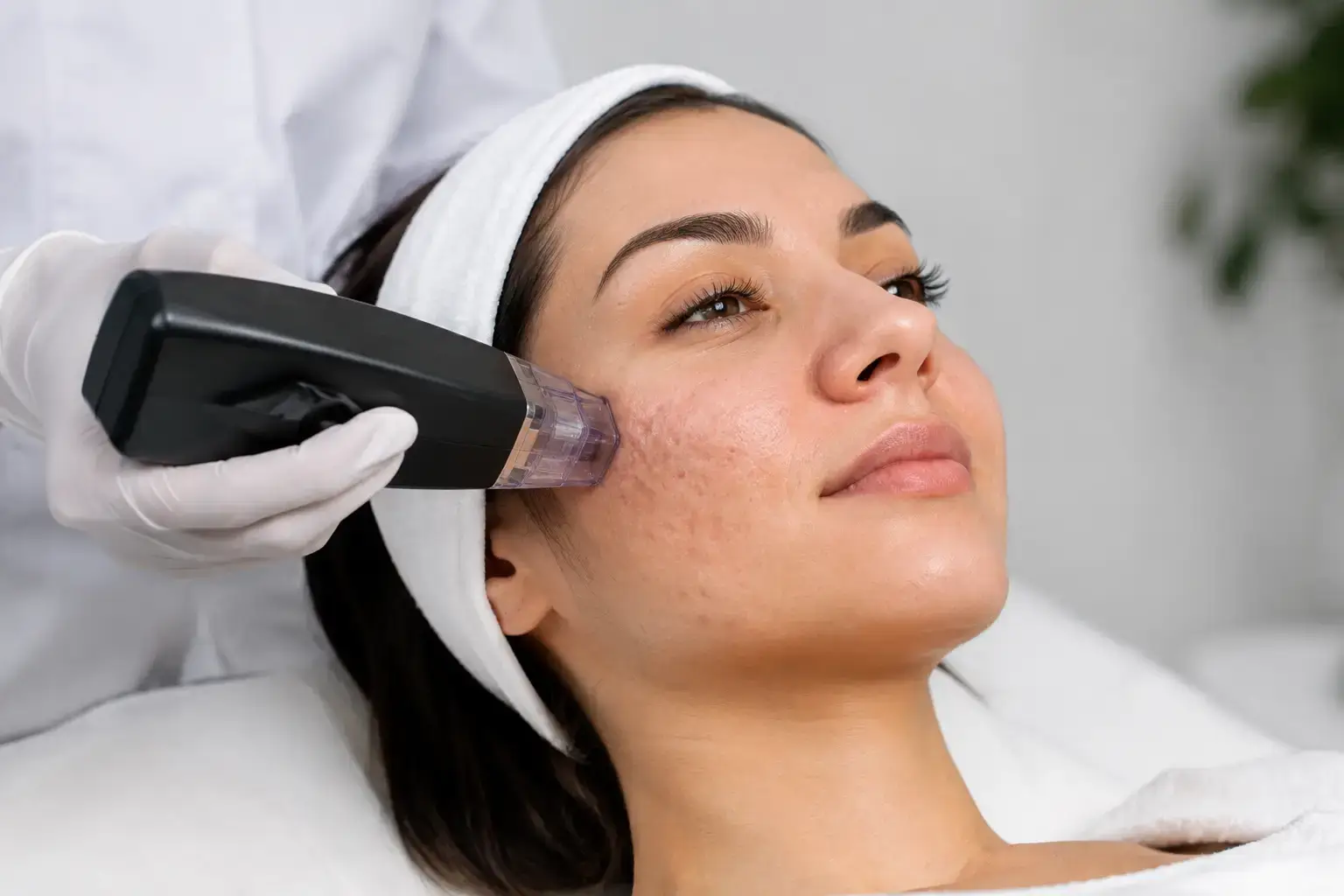
Morpheus8 combines microneedling with radiofrequency energy. Ultra-fine needles create controlled microchannels at carefully selected depths, while radiofrequency energy is delivered into the deeper layers of the skin. This combination initiates a wound-healing response that encourages collagen and elastin production, the structural elements that support smoother, more resilient skin.
Acne scars are often challenging because they are not simply discoloration on the surface. Many are tethered or depressed beneath the surrounding skin, where collagen has been lost or remodeled unevenly after inflammation. By treating deeper tissue as well as the skin’s surface, Morpheus8 can gradually improve the transition between scarred and unaffected areas.
The treatment may also support overall skin quality. Patients often notice refinement in pore appearance, a more even texture, and a subtle improvement in laxity alongside scar correction. This matters when the goal is not to make skin look artificially perfect, but to create a healthier, more rested-looking complexion.
Which Acne Scars Can Improve Most?
Morpheus8 is often considered for atrophic acne scars, meaning scars that sit below the surface of the skin. Rolling scars and some boxcar scars are commonly responsive because collagen remodeling can soften their edges and reduce the appearance of shadowing.
Results with ice-pick scars can be more limited. These narrow, deep scars may require a more targeted approach, such as TCA CROSS or another procedure recommended by a qualified practitioner. Raised scars, active cystic acne, and certain pigment-related concerns also call for careful assessment before treatment.
This is why an in-person consultation should come before a treatment plan. A close skin assessment can distinguish between textural scars, redness, post-inflammatory hyperpigmentation, and active breakouts. Each concern behaves differently, and treating all of them as the same issue can lead to disappointing results.
What a Morpheus8 Treatment Feels Like
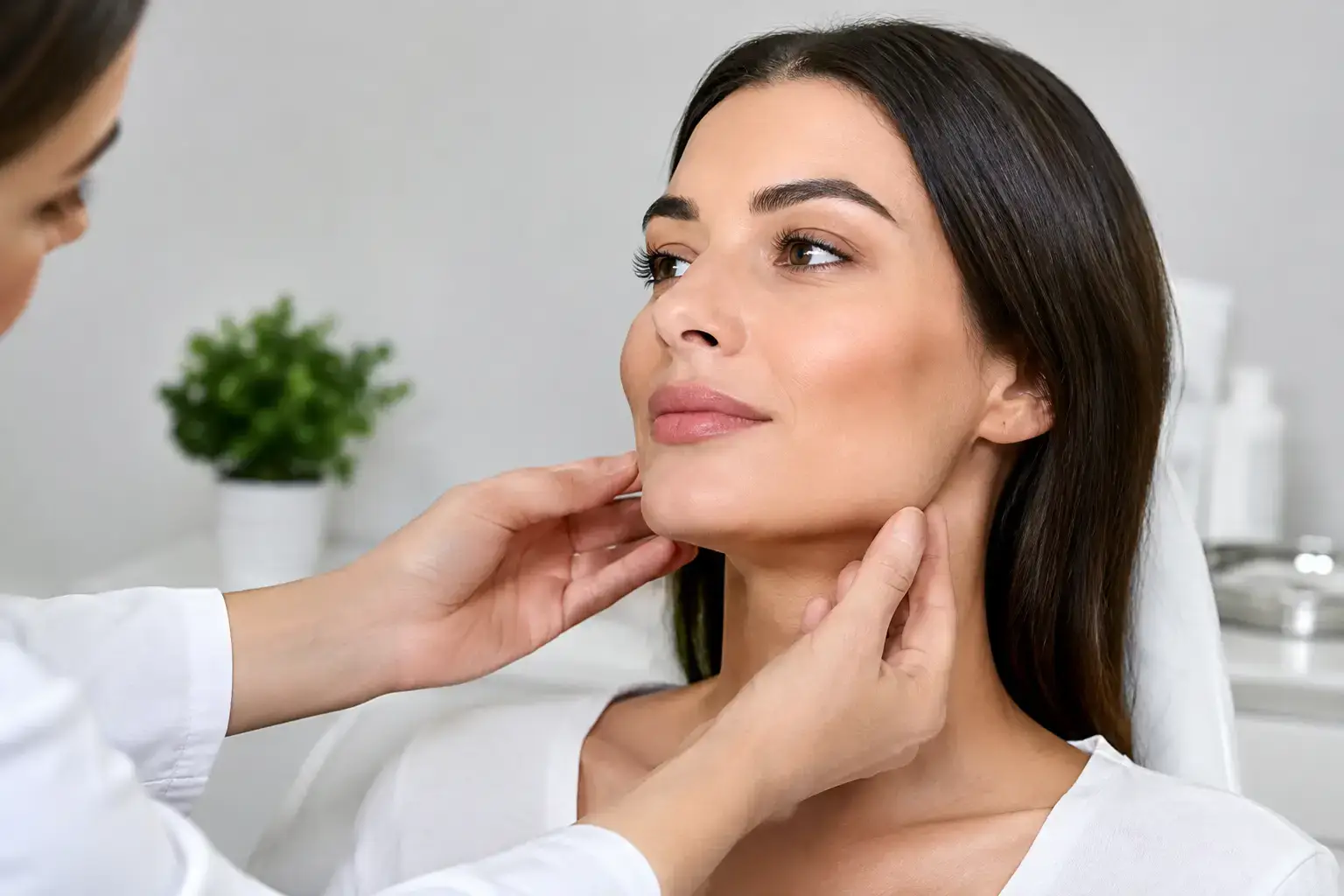
A premium treatment experience begins with preparation. Your clinician will review your skin history, current medications, recent treatments, and any tendency toward pigmentation or prolonged healing. This evaluation helps determine the safest settings and whether your skin would benefit from preparatory skincare.
On treatment day, a topical numbing cream is typically applied to support comfort. Morpheus8 is then passed methodically across the selected areas, with the needle depth and energy tailored to the cheeks, temples, jawline, or other scar-prone regions. A session often takes about 45 to 60 minutes after numbing, although timing varies by treatment area and protocol.
You may feel pressure, heat, and brief pinching sensations during the procedure. Most patients find the experience very manageable with appropriate numbing and an experienced provider. Afterward, the skin may look pink or red and feel warm, similar to a mild to moderate sunburn.
Downtime and Aftercare: What to Plan For
One reason Morpheus8 appeals to busy professionals is that it offers meaningful collagen stimulation with relatively manageable downtime. Redness and mild swelling are common for one to three days. Tiny pinpoint marks, dryness, or a sandpaper-like texture can last several days as the skin recovers.
For many patients, social plans can resume within a few days, often with mineral makeup once the skin is ready. However, a treatment should not be scheduled immediately before an important event. The skin needs time to settle, and early healing is not the same as the final result.
Aftercare is deliberately simple: keep skin clean, hydrated, and protected from sun exposure. Avoid exfoliants, retinoids, heat-based exercise, saunas, and swimming for the period advised by your clinician. In Dubai, diligent broad-spectrum sunscreen use is especially essential. Sun exposure during recovery can increase the risk of unwanted pigmentation and compromise the evenness you are working to achieve.
When Will You See Results?
Morpheus8 works with the biology of collagen remodeling, which requires patience. Some patients see an early glow and slight textural refinement within the first few weeks as swelling resolves and the skin begins its repair cycle. More substantial changes typically develop over six to 12 weeks, with continued improvement possible for several months.
Most acne-scar protocols involve a series of treatments, often three sessions spaced around four to six weeks apart. The ideal number depends on scar depth, skin quality, treatment intensity, and your desired degree of correction. Deep, longstanding scars generally require more than one session and may benefit from a combination plan.
Realistic expectations are central to an excellent result. Morpheus8 can make scars noticeably less visible and skin more even, but no treatment can promise complete scar removal. A thoughtful plan aims for meaningful improvement that looks natural in everyday life, not an overpromised transformation under clinical lighting.
Is Morpheus8 the Right Choice for Your Skin?
Morpheus8 may be a strong choice if you have stable acne, depressed scars, mild textural irregularity, enlarged-looking pores, or early laxity that you would like to address together. It can be particularly valuable for patients who prefer a non-surgical treatment with a considered recovery period and progressive results.
It may not be the first recommendation if active acne is uncontrolled, if your primary concern is pigmentation rather than texture, or if scars are very deep and narrow. Patients with a history of keloid scarring, certain medical conditions, implanted electronic devices, or recent isotretinoin use should disclose this during consultation. Pregnancy is also generally a reason to postpone radiofrequency microneedling.
Skin tone deserves individualized attention as well. When performed with appropriate technique and aftercare, radiofrequency microneedling can be suitable for a broad range of skin tones. Still, anyone prone to post-inflammatory hyperpigmentation needs a careful protocol. Device settings, pre-treatment preparation, and sun avoidance are not details to overlook.
Why Combination Treatment Can Matter
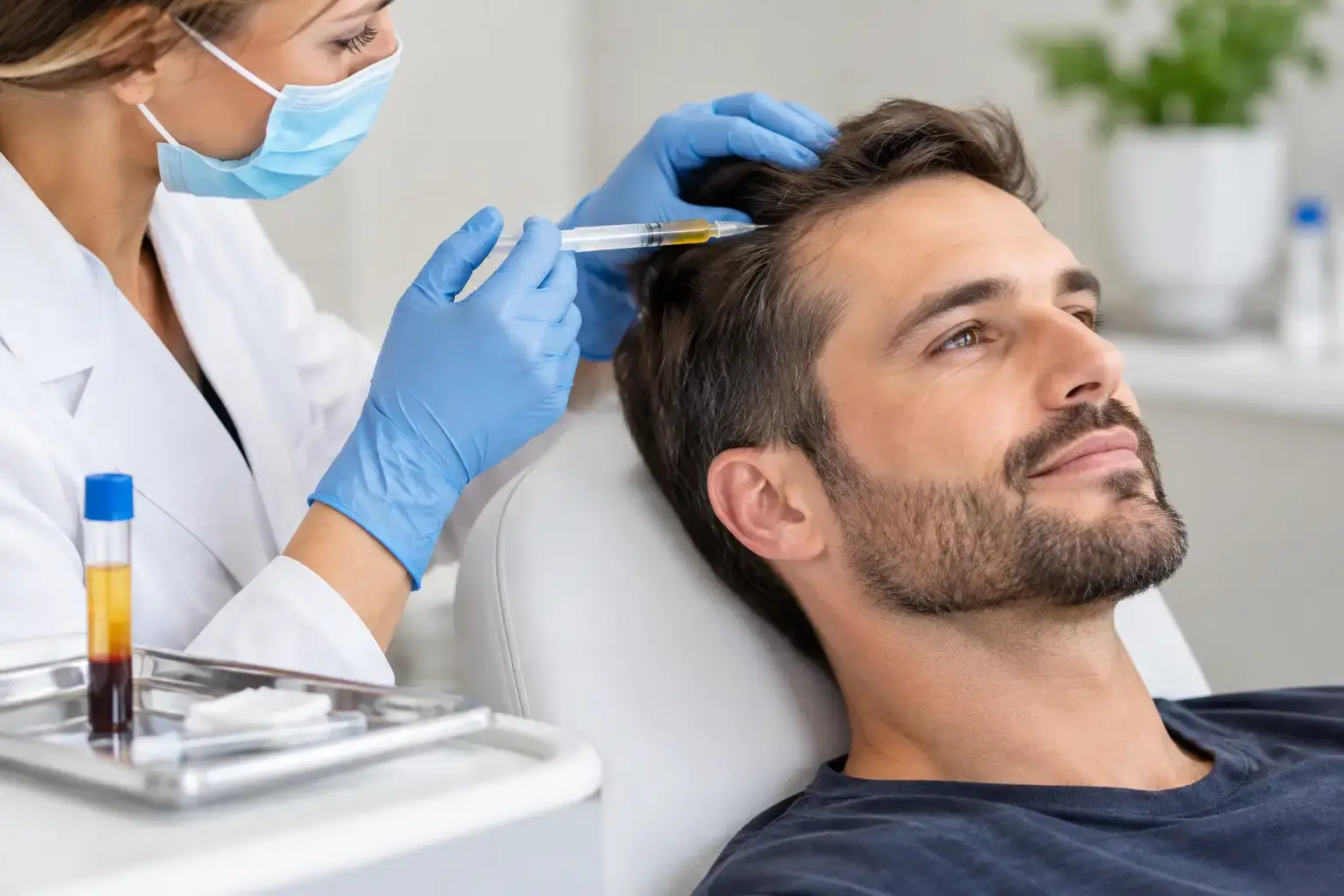
Acne scarring rarely has one single cause or one ideal solution. Some scars are tethered beneath the skin and respond best when subcision is used to release those attachments. Others benefit from focused chemical reconstruction, fractional resurfacing, PRP, or targeted treatment for residual redness and discoloration.
Morpheus8 can serve as the foundation of a broader regenerative plan rather than being treated as a stand-alone answer for every scar type. At Salus Clinic, this type of personalized planning places your skin’s long-term health alongside visible refinement. The right combination is not necessarily the most intensive one. It is the one that addresses your specific scar pattern while allowing the skin to heal beautifully.
Choosing Treatment With Confidence
The quality of Morpheus8 treatment is shaped by more than the device itself. Needle depth, energy settings, treatment pattern, skin preparation, and post-treatment guidance all influence safety and outcomes. An experienced medical aesthetics team will adjust these elements to your anatomy, scar type, skin tone, and tolerance for downtime rather than applying a standardized protocol.
If acne scars have made you feel that concealer only works in certain lighting, a consultation can provide useful clarity. Bring your questions, be open about your timeline, and ask what degree of improvement is reasonable for your skin. The most rewarding treatment plan is one that feels as considered as the confidence it is designed to restore.